Miso Paste: Instant Depth for Anything Savory
The fermented Japanese paste that makes soups, glazes, dressings and even caramel taste richer, and which jar to start with.
By The MyKitchenQuest Kitchen · Updated
We may earn a commission when you buy through links on this page.
Ever wonder why a restaurant's glazed salmon or salad dressing tastes deeper than the one you make at home, even when you follow the same recipe? A lot of the time, the missing piece is a spoonful of fermented soybean paste.
What miso is
Miso is a traditional Japanese seasoning made by fermenting soybeans with salt and koji, a mold culture that also gives us sake and soy sauce. Often rice or barley goes in too. Over months, the fermentation breaks everything down into a thick paste packed with savory, umami flavor, the same quality that makes aged Parmesan and mushrooms so satisfying.
Which jar to buy
- White (shiro) miso: short fermentation, mild and slightly sweet. Dressings, light soups, fish, even desserts. Start here.
- Yellow (shinshu) miso: a little longer, earthier and saltier. An everyday all-rounder.
- Red (aka) miso: fermented longest, bold and deeply savory. Braises, stews and beef. Use a lighter hand.
You'll find it in the refrigerated section of most supermarkets, with the widest choice at Asian grocery stores.
Six ways to use it beyond soup
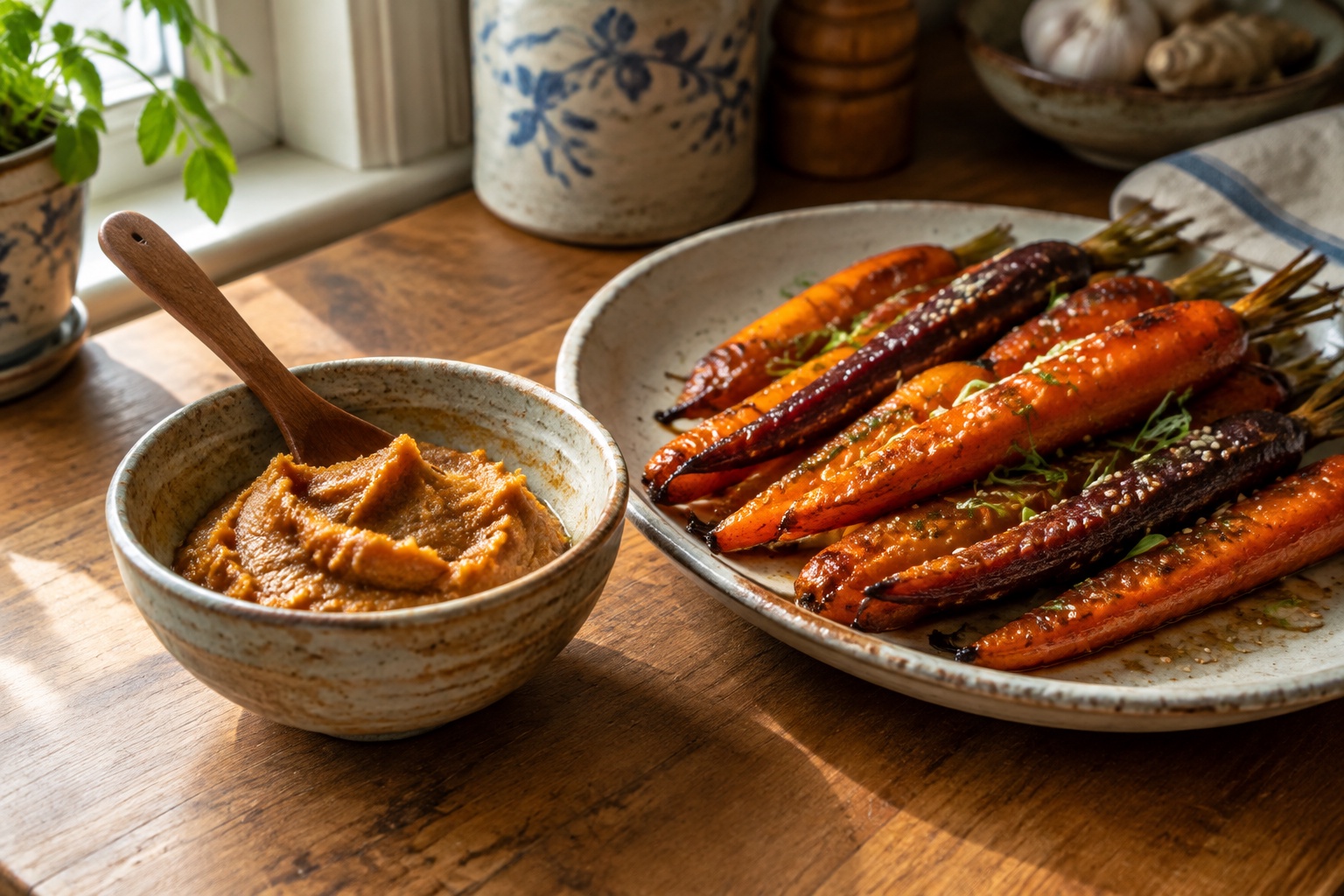
- Glaze: miso, maple syrup, rice vinegar and grated ginger on salmon or roasted carrots.
- Dressing: whisk miso with olive oil, rice vinegar and a little honey.
- Miso butter: mash into soft butter for steak, corn or a baked potato.
- Pasta: a spoonful melted into a cream or butter sauce.
- Mashed potatoes: stir some in with the butter.
- Caramel and chocolate: white miso adds a salty, toasty depth to desserts.
The rule that matters
Add miso near the end and keep it below a hard boil. Whisk it into a ladle of warm liquid first so it doesn't clump, then stir that back in. Taste before you add any other salt; miso brings plenty.
Keep it in the fridge in a sealed container and always use a clean spoon. The surface may darken over time, and that's normal.
Which dish in your kitchen has always tasted like it was missing something you couldn't name?