Lemon Zest: Brightness Without the Pucker
The colored peel holds a lemon's best flavor. Here's how to zest it without the bitterness, and where it does the most.
By The MyKitchenQuest Kitchen · Updated
We may earn a commission when you buy through links on this page.
On this page
Most of a lemon's flavor goes straight into the trash. The juice is the part we're taught to use, but the fragrant, floral, unmistakably lemon part is in the thin yellow peel.
Why zest does what juice can't
Lemon juice is mostly sour. Zest is mostly aroma, from the citrus oils packed into the outer peel. That means you can make a dish taste brighter and more alive without making it sour, and without adding liquid that would thin a sauce or a batter.
How to zest without the bitterness
- Only take the yellow. The white layer underneath, the pith, is bitter. When you see white, move on.
- Light pressure. You want the oils, not a gouge.
- Wash the lemon first in warm water, since you're eating the outside.
- Zest before you juice. A whole lemon is easy to hold; a squeezed one isn't.
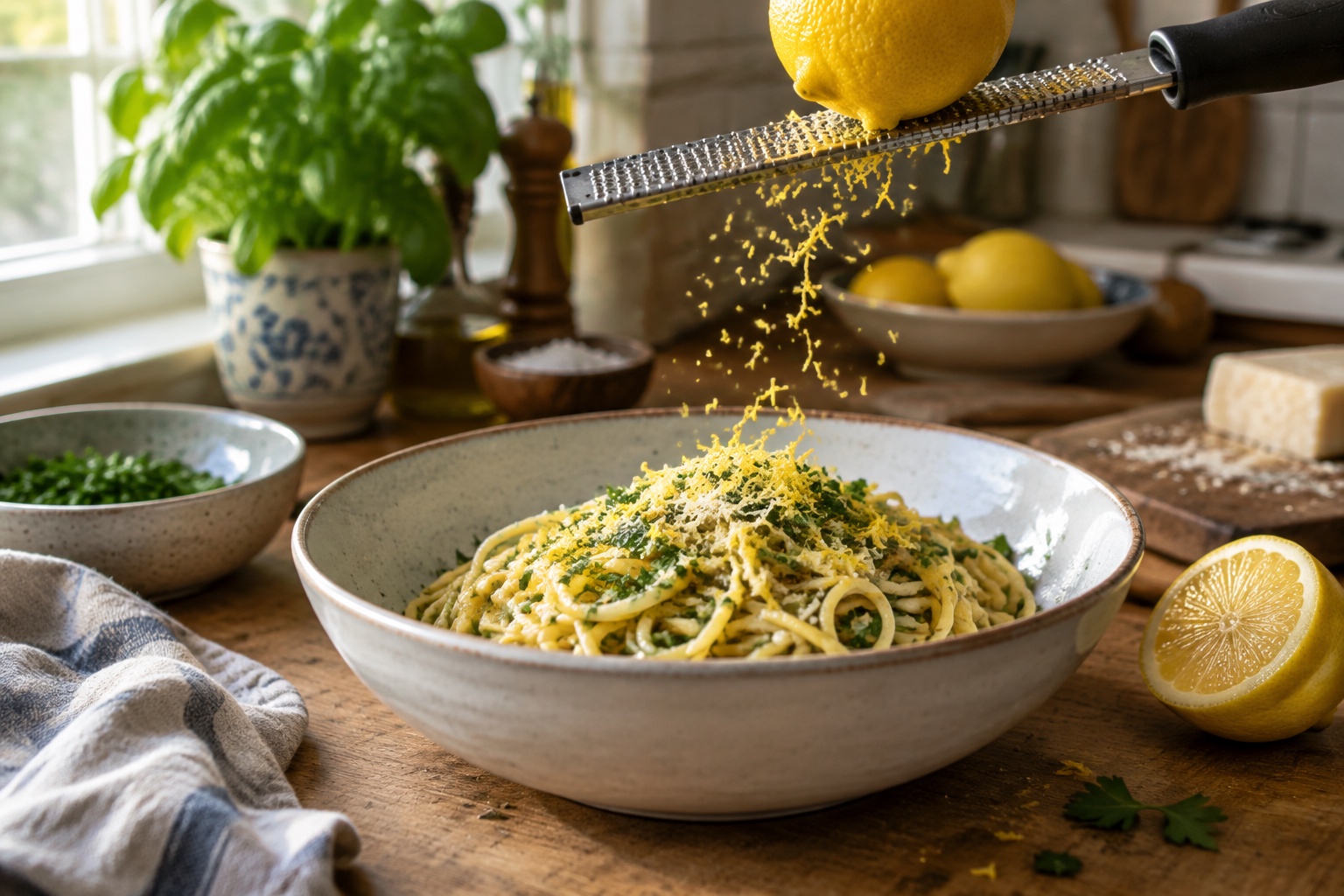
A fine rasp-style grater is the best tool for it. It shaves just the colored layer and leaves the pith behind.
Where it does the most
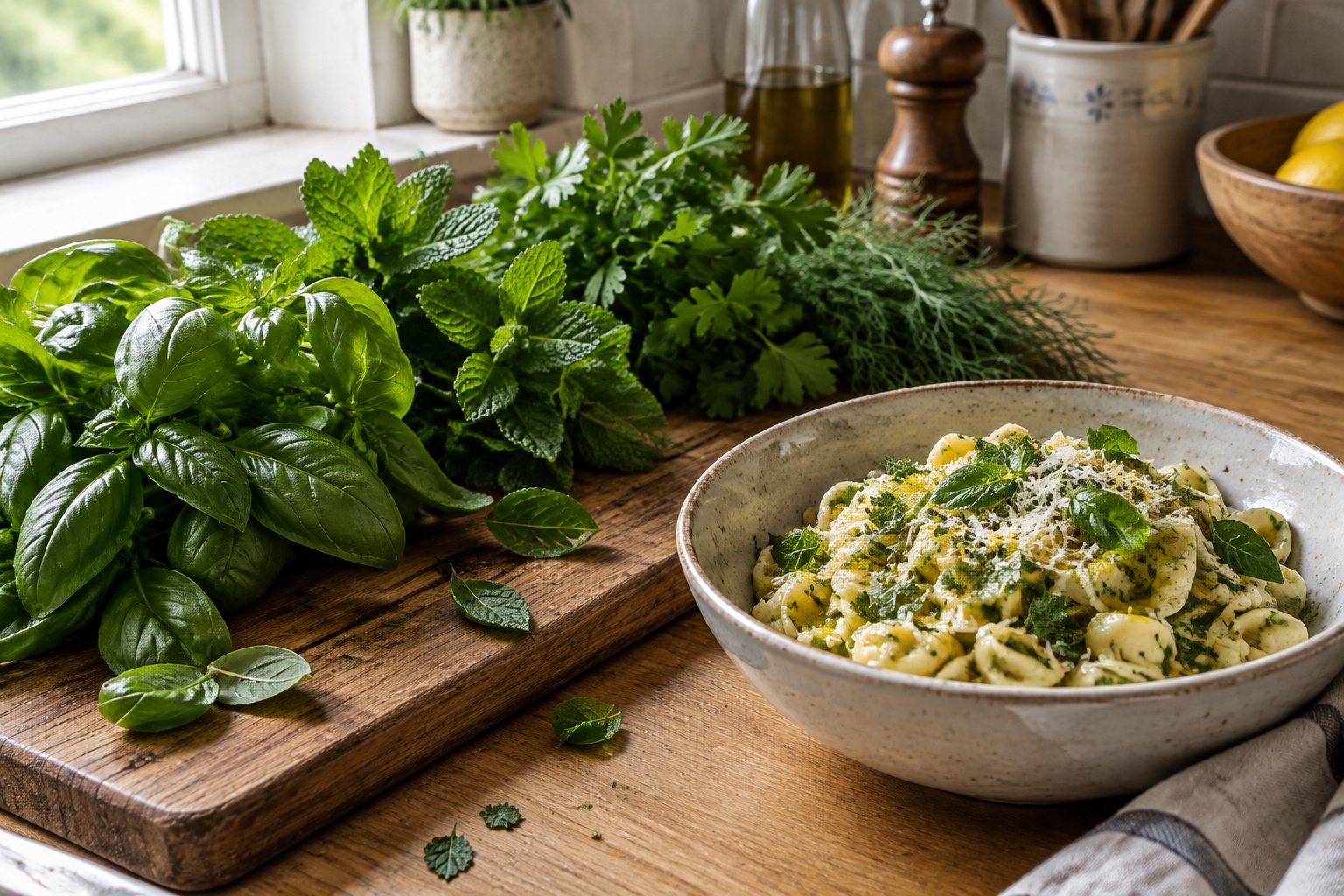
- Pasta: zest, olive oil, Parmesan, black pepper and a splash of pasta water.
- Seafood: over grilled fish or shrimp right before serving.
- Grains: stirred into rice, couscous or quinoa.
- Baking: in muffins, shortbread and pound cake. Rub it into the sugar first to release more oil.
- Dressings: a pinch in a vinaigrette gives citrus aroma without extra acid.
Saving the extra
Freeze leftover zest flat in a small bag and break off what you need. Or rub it into sugar and keep it in a jar for tea, yogurt and baking.
How many lemons have you juiced and tossed without ever tasting the best part?